
- News Updates
- PSU Watch
- Defence News
- Policy Watch
- हिन्दी न्यूज़
- Jobs Watch
- States News
- Event News

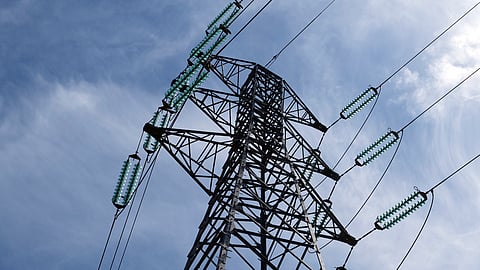
New Delhi: India's electricity distribution network has crossed the milestone of five lakh circuit kilometres with the potential to carry high-voltage energy of 220 kilovolts and above and 1,407 gigavolt amperes of transformation capacity, the power ministry said on Thursday.
The world's largest synchronous national grid achieved this feat on January 14, with the commissioning of a 628-ckm (circuit kilometre) transmission line of 765 kV from Bhadla II to Sikar II substation for the evacuation of renewable energy from Rajasthan Renewable Energy Zone, the ministry said in a statement.
With the functioning of this line, 1,100 MW of additional power can be evacuated from the RE zone of Bhadla, Ramgarh & Fatehgarh Solar Power Complex, it said.
Since April 2014, the country's transmission network has grown by 71.6 per cent, adding 2.09 lakh ckm of transmission lines and boosting transformation capacity by 876 GVA (gigavolt ampere).
The inter-regional power transfer capacity, which now stands at 1,20,340 MW, has enabled seamless transfer of electricity across regions, successfully realising the vision of 'One Nation – One Grid – One Frequency', the ministry said.
It further said that various under-implementation inter-state transmission projects will add around 40,000 ckm of transmission lines and 399 GVA of transformation capacity. The additional transmission capacity will also help evacuate increasing non-fossil power as the country moves towards 500 GW of renewable energy generation by 2030.
The milestone of 5,00,000 ckm of transmission lines reflects the government's sustained efforts towards ensuring a reliable, affordable, and secure electricity supply across the country while supporting rapid growth in renewable energy integration, it said.
(PSU Watch– India's Business News centre that places the spotlight on PSUs, Bureaucracy, Defence and Public Policy is now on Google News. Click here to follow. Also, join PSU Watch Channel in your Telegram. You may also follow us on Twitter here and stay updated.)

